


Head Lice Checker

Treatments & products

Head Lice Treatments & Products

Browse practical head lice treatments, combs and aftercare products selected to help families choose the right next step. Head Lice Checker also offers free photo screening and clinic referrals when you need more support.

Some product links are affiliate links. We may earn a commission at no extra cost to you.

Head lice treatments and family hair care products

Shop by category

Start with the type of product you need. Categories are organised by practical use, not by commission.

Curated head lice products

Products are selected for practical relevance and organised by use case. Retailer links are added only after editorial review.

Treatments

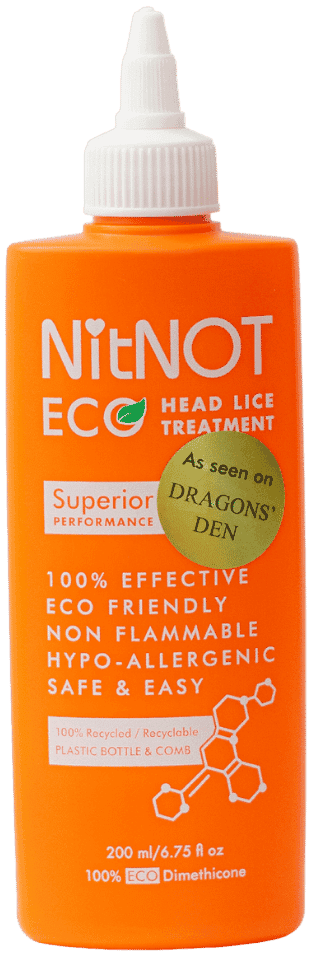
NitNOT Head Lice Treatment Serum product packaging
Editorial pick

NitNOT

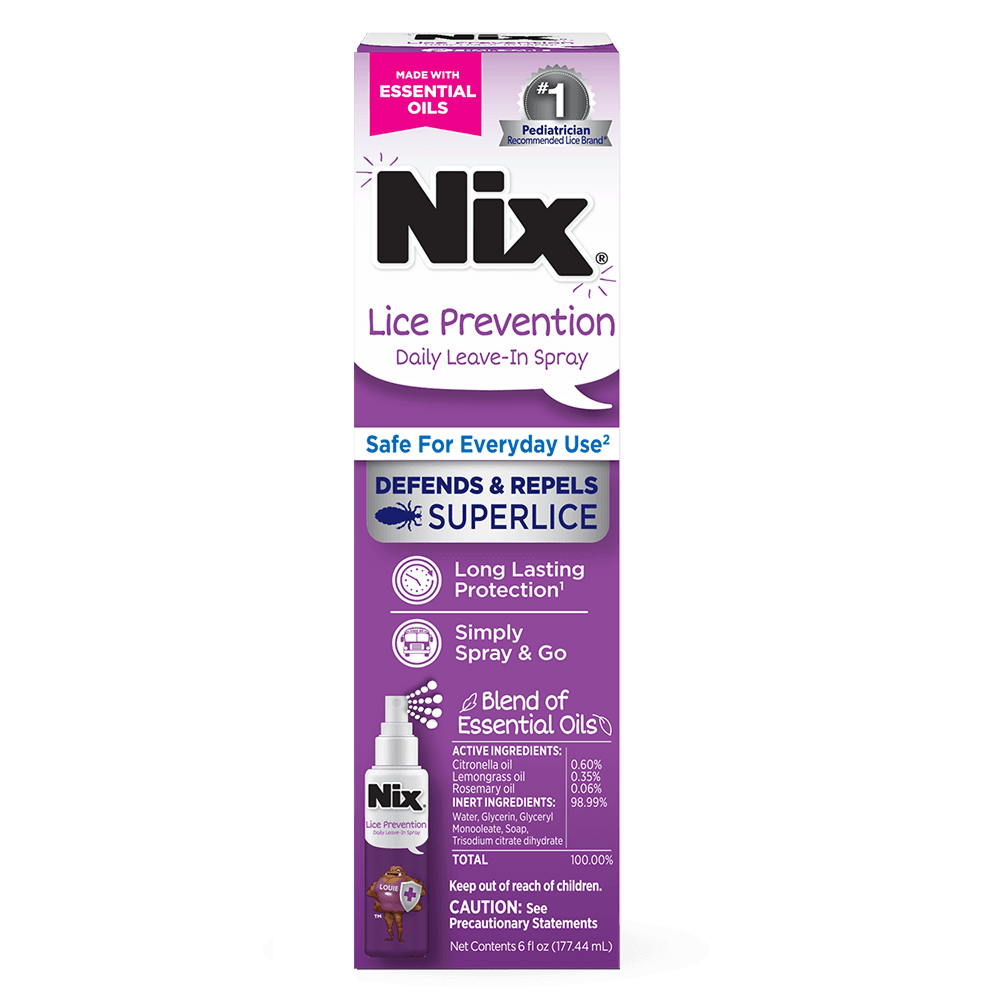
NitNOT Head Lice Treatment Serum

A treatment serum formulated for head lice and nits, designed to target multiple life-cycle stages including eggs.

Suitable for: When live lice or nits have been found and a product-led treatment approach is preferred

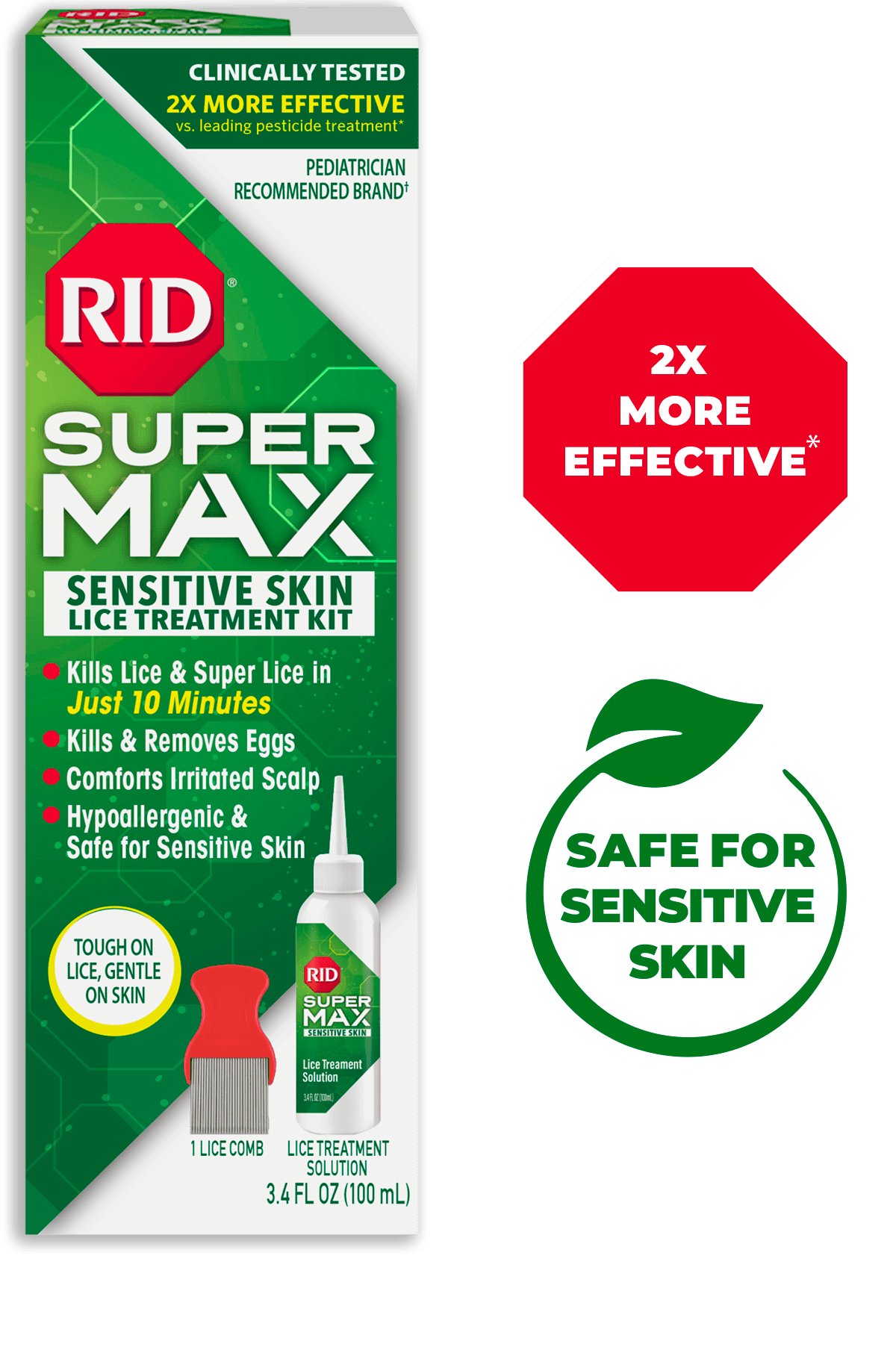
Guide cover image for sensitive skin lice treatment
Sensitive scalp option

See our guide

Sensitive-skin treatment options

Gentler product choices and escalation boundaries for sensitive scalps.

Suitable for: Sensitive skin or previous irritation from treatments

Combs & Detection

Detection tool

Editorial pick

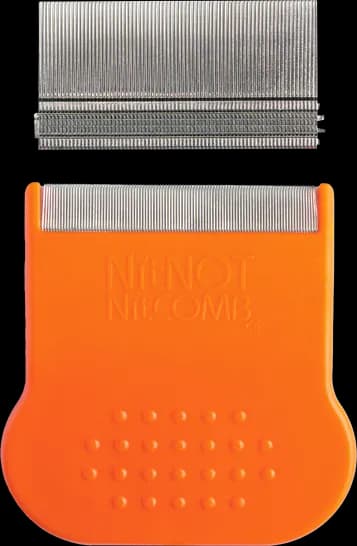
Fine-tooth detection comb

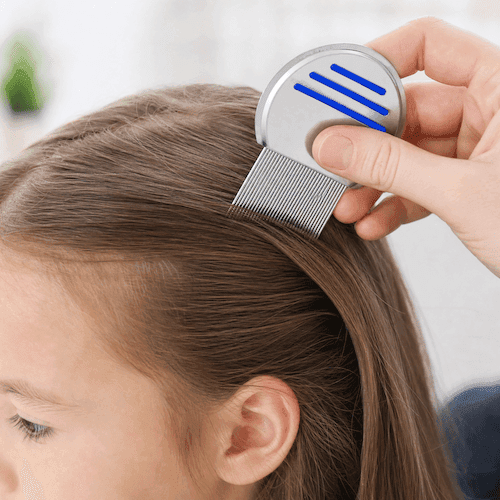
A long, fine-tooth nit comb for wet detection combing on damp, conditioned hair.

Suitable for: Families starting with wet combing or rechecking after treatment

Retailer link pending editorial review

Editorial pick

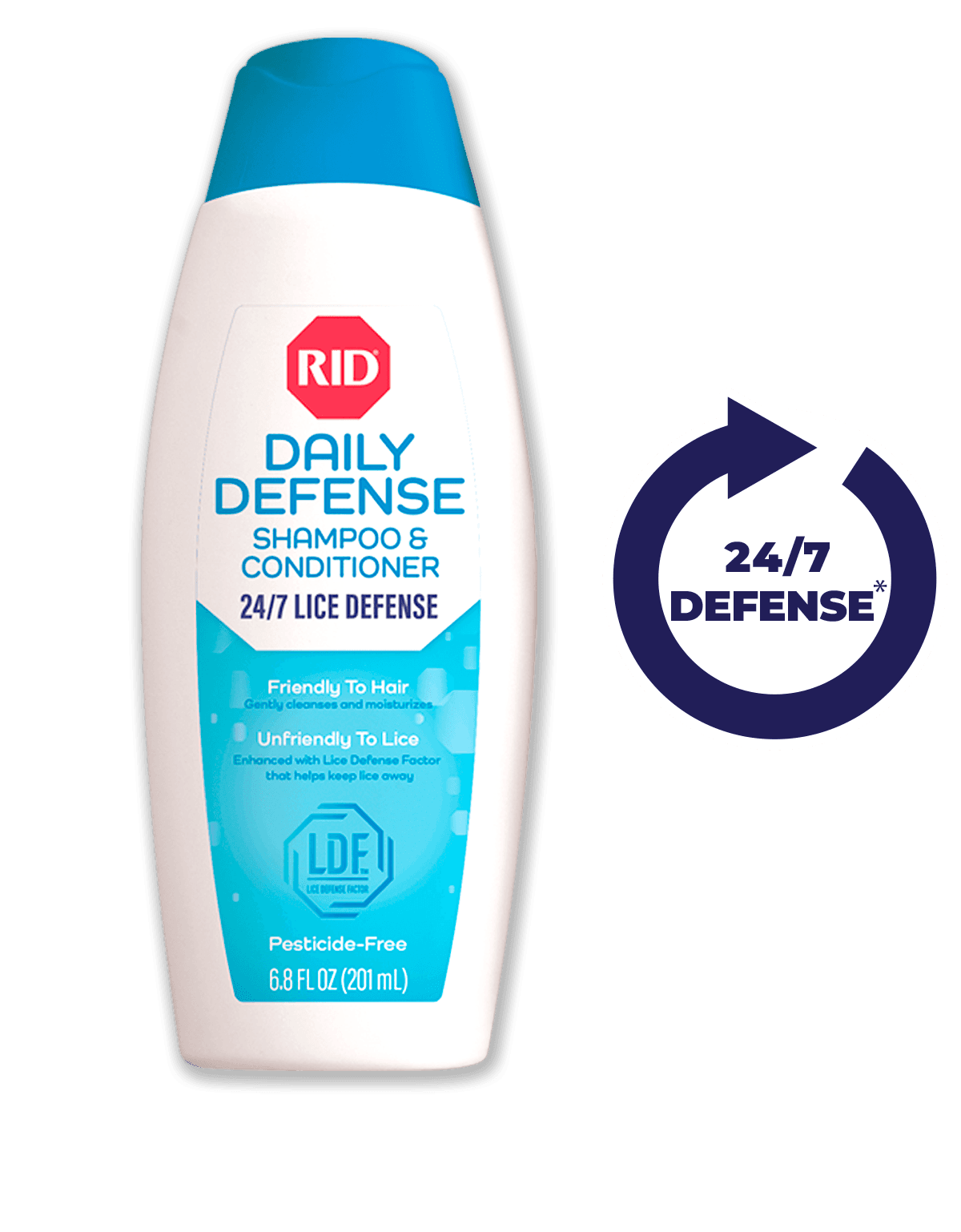
Conditioner for wet combing sessions

A plain conditioner used to lubricate hair during detection combing sessions.

Suitable for: Regular wet combing and recheck sessions

Retailer link pending editorial review

Editorial pick

Recheck comb and tissue kit

Keep a dedicated detection comb and tissue to hand for scheduled recheck days.

Suitable for: After any treatment approach — schedule rechecks as advised

Retailer link pending editorial review

Not sure where to start?

Start with the situation that best matches yours. None of these steps is a diagnosis — they help you decide what to do next.

I think there may be head lice

  • Use the free photo checker for an indicative result
  • Carry out a detection (wet) comb check on damp, conditioned hair
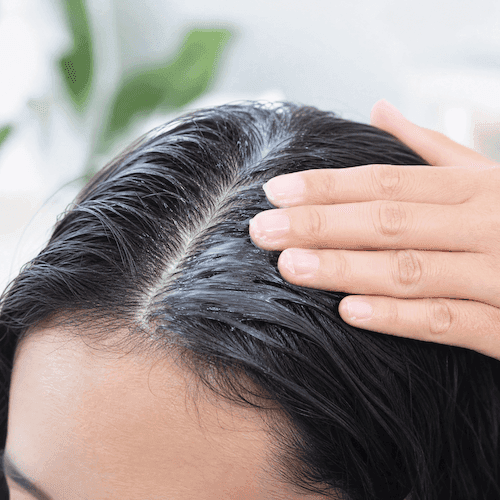
  • Learn what lice and nits can look like on the scalp

I know treatment is needed

  • Compare treatment approaches below
  • Browse curated products by category
  • Understand how wet combing fits into a plan

Home treatment has not worked

  • Find specialist head lice clinics in the directory
  • Useful when results are uncertain or lice persist
  • Hands-on support when you want confirmation and a clear plan

Treatment approach comparison

Compare practical approaches before choosing products or booking a clinic. No single method suits every household.

Wet combing

A systematic detection comb method on damp, conditioned hair. Often used to find live lice and to check whether treatment has worked.

What it involves
Section the hair, comb from roots to ends with a fine detection comb, and wipe the comb on tissue between strokes.
Time and effort
Moderate to high — needs quiet time, good light, and patience across the whole head.
Repeat checking
Usually repeated on a schedule (for example on several days across two weeks) to catch newly hatched lice.
Practical advantages
  • No treatment product required for the checking step
  • Helps confirm whether live lice are present
  • Useful for rechecking after any treatment approach
Limitations
  • Time-consuming for long or thick hair
  • Easy to miss lice if the technique or lighting is poor
  • May need to be combined with treatment if live lice are confirmed
When someone might choose it
When you want to confirm activity before treating, avoid chemicals where possible, or check clearance after treatment.

Physical-action treatment products

Over-the-counter products that work by coating or affecting lice physically (for example dimethicone-based treatments), used according to pack instructions.

What it involves
Apply the product as directed, leave for the stated time, and comb through where instructed. Repeat only if the pack says so.
Time and effort
Low to moderate per application — follow the product leaflet carefully.
Repeat checking
Many packs include a repeat application or advise rechecking with a detection comb after treatment.
Practical advantages
  • Structured instructions on the pack
  • Widely available from pharmacies and supermarkets
  • May suit families who want a product-led approach
Limitations
  • Not every product suits every scalp type — read suitability warnings
  • Resistance and effectiveness can vary; pharmacist advice helps
  • Still needs careful rechecking to see whether lice remain
When someone might choose it
When live lice have been found and you want a pharmacy product with clear application steps.

Other pharmacy treatment options

Additional over-the-counter approaches may be suggested by a pharmacist depending on age, scalp condition, and what has already been tried.

What it involves
Speak to a pharmacist about suitable options. Always follow the product instructions and age guidance on the pack.
Time and effort
Low per application — depends on the product chosen.
Repeat checking
Follow the pack and pharmacist advice on repeat doses and when to recheck the household.
Practical advantages
  • Pharmacist can tailor advice to your situation
  • May help when a first approach has not cleared lice
Limitations
  • Not all products suit sensitive skin or very young children
  • Should not be mixed or rotated without professional advice
When someone might choose it
When you need pharmacist guidance, have sensitive skin concerns, or a first treatment round did not work.

Professional clinic treatment

Specialist clinics can confirm findings, treat methodically, and advise on household follow-up.

What it involves
Book an appointment; the clinic checks the scalp, treats as appropriate, and explains recheck timing.
Time and effort
Low for the family during the appointment — travel and booking time apply.
Repeat checking
Clinics often advise when to recheck or return if lice persist.
Practical advantages
  • Hands-on expertise and clear next steps
  • Helpful when home checks are inconclusive or repeated treatment has failed
  • Can reduce stress when timing is urgent (for example before school)
Limitations
  • Cost and availability vary by area
  • May still need home rechecking between visits
When someone might choose it
When you want professional confirmation, repeated home attempts have not worked, or the situation feels uncertain.

How to choose

Use these prompts to decide between another scan, wet combing, products, or professional help.

Are live lice visible?

Live lice usually mean treatment or professional confirmation is needed. Nits alone may not require treatment — check NHS and pharmacist guidance.

Are only possible nits visible?

Empty egg cases can remain after lice are gone. A detection comb check helps confirm whether live lice are still present before treating again.

Has treatment already been tried?

If a full course was completed and lice remain, speak to a pharmacist or consider professional help rather than switching products randomly.

Can you commit to repeated wet combing?

Wet combing works best as a consistent routine. If time is limited, a pharmacy product or clinic appointment may be more realistic.

Is the scan or home check uncertain?

Indicative scans are not a diagnosis. Repeat with a sharper photo or arrange professional confirmation.

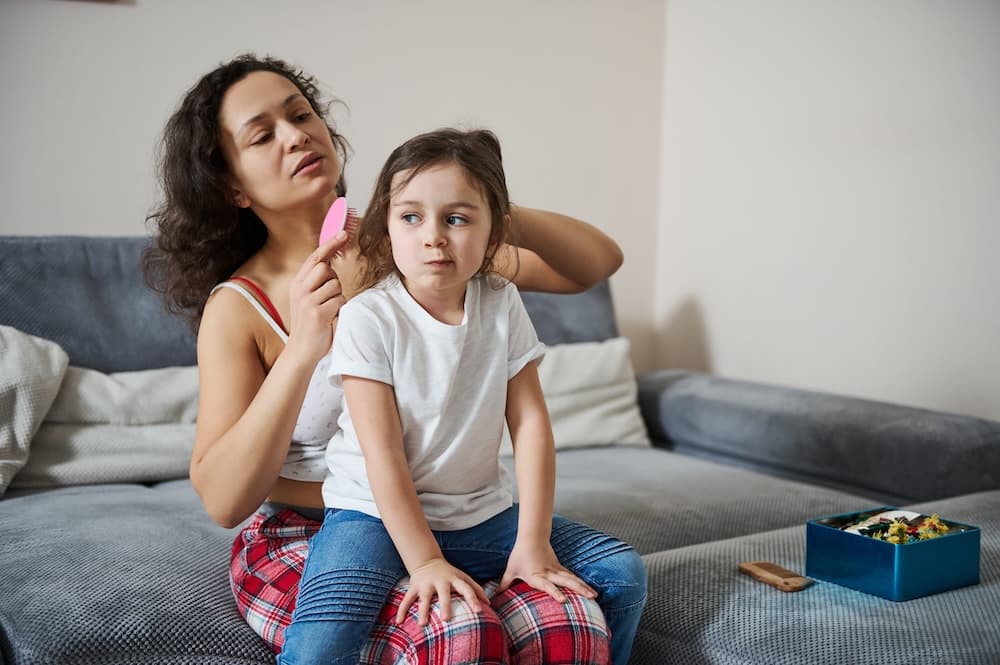
Wet combing in brief

Detection combing on damp, conditioned hair is a core UK approach for finding live lice and checking clearance. Take your time and work in good light.

Read the full wet combing guide
  1. 1Wash hair with ordinary shampoo, then apply plenty of conditioner.
  2. 2Use a fine-tooth detection comb on small sections, from roots to ends.
  3. 3Wipe the comb on white tissue and check for live lice between strokes.
  4. 4Repeat across the whole head, then rinse. Schedule rechecks as advised.

Treatment and recheck journey

A calm sequence from checking through to professional help. Always follow your product pack or clinic advice for timing. The scanner provides indicative screening only, not a diagnosis.

  1. Step 1

    Check

    Use a photo scan and/or a wet comb check before treating.

  2. Step 2

    Choose an approach

    Compare wet combing, pharmacy products, or professional help.

  3. Step 3

    Treat or comb

    Use the product or combing method exactly as directed on the pack or by your clinic.

  4. Step 4

    Repeat as directed

    Follow product or clinic instructions on repeat doses and combing sessions.

  5. Step 5

    Recheck

    Plan recheck days to see whether live lice remain. An indicative scan can prompt another look.

Need help checking or treating head lice?

If you are unsure what you are seeing, treatment has not worked, or you would prefer professional support, find a specialist clinic.

Practical guides

Existing Head Lice Checker guides that support treatment decisions.

Treatment FAQ

Affiliate and editorial trust

Some product links on this page may earn Head Lice Checker a commission if you buy through them. This does not change the price you pay where the retailer's programme works that way.

Product inclusion is editorially controlled. We do not accept payment for positive treatment claims, and commission does not decide which approaches or products we mention.

Always read product instructions, age guidance, and suitability warnings. Speak to a pharmacist or clinic if you are unsure what is appropriate.

This page provides practical guidance only. It is not a diagnosis. For medical concerns, speak to a pharmacist, GP, or lice clinic. See our medical disclaimer.