

Head Lice Checker

Calm, private, parent-first head lice checker guidance

Head Lice Checker OnlineAI Photo-Based Detection for Head Lice and Nits

Upload a clear photo of the scalp for a quick visual assessment using our computer vision model. Results are provided in around 30 seconds and include practical guidance on what to do next.

  • Free to use
  • Private photo analysis
  • No account required

Used by families across the UK to check for visible signs of head lice before deciding on next steps.

Parent gently checking a smiling child's hair for head lice

Live scan preview

Demo

Drag a photo here

or use the scan tool below

How the AI check works

Three simple steps turn one clear photo into calm, practical direction — with professional confirmation always a click away.

Add a clear scalp photo

Upload a bright, close-up image parted near the roots.

AI reviews the image

The scan checks for likely lice, nits, and common lookalikes in seconds.

Get calm next steps

Receive indicative, non-diagnostic guidance and a clinic pathway if needed.

Start a free photo scan

Upload a clear scalp close-up for an indicative result in seconds. Photos that don’t meet the size requirement below are rejected.

  • • Bright lighting and close to scalp
  • • Hair parted to show roots
  • • Shortest side at least 640px (smaller images are rejected)

Indicative screening only, not a diagnosis.

Drop a photo or tap to upload

JPG, PNG, HEIC accepted

  • Your photo is processed securely
  • Processed for your result only unless you choose to help improve detection
  • Designed with UK families and partner clinics

What to look for: head lice, nits, and lookalikes

Head lice checking is easier when you know what patterns are meaningful and which signs are easy to misread in poor lighting. Use these comparison points as a practical checklist before and after your scan.

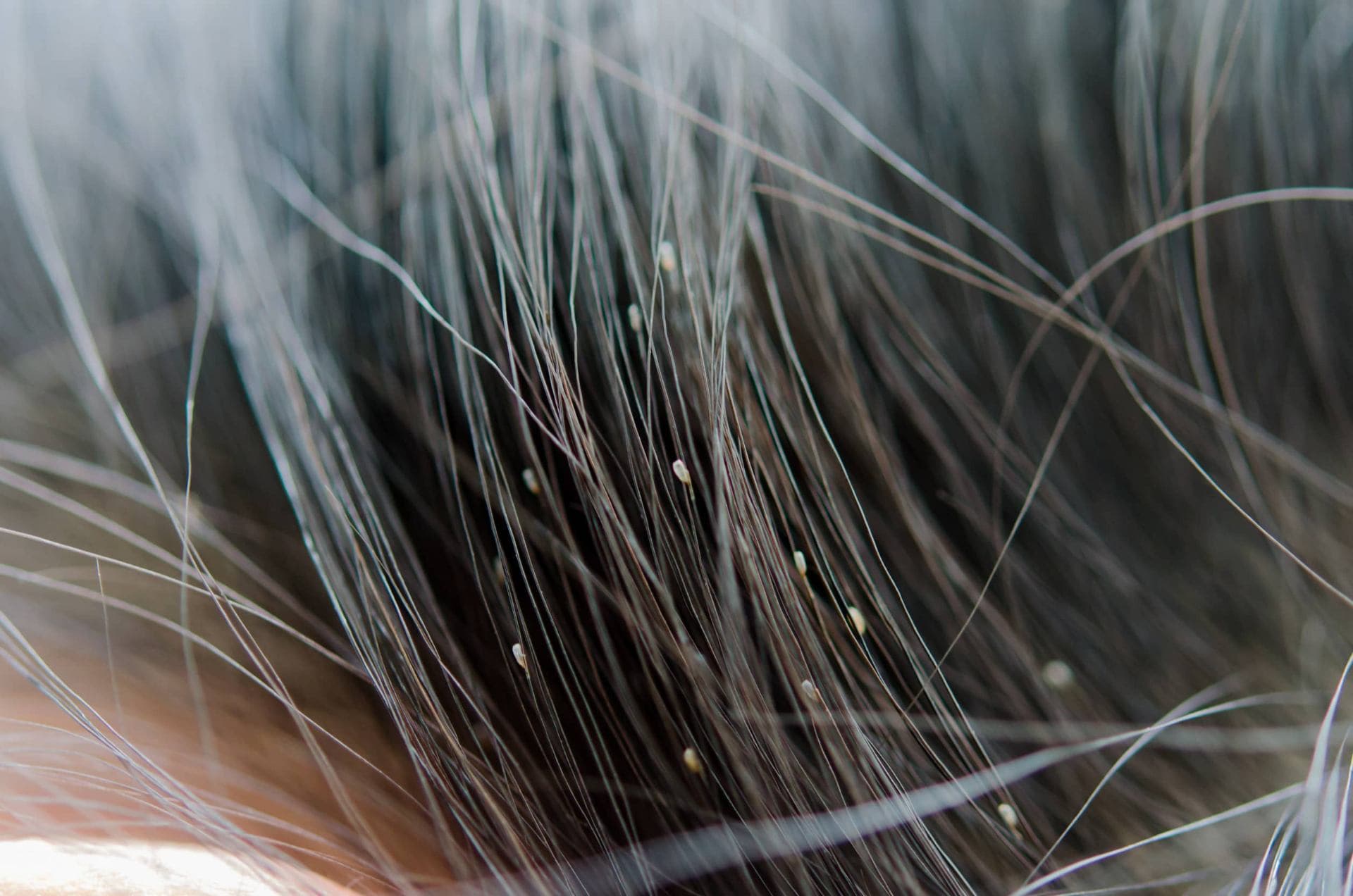
Close-up of head lice and eggs in dark hair
Head lice indicators

Head lice indicators

Live lice are small moving insects that stay close to the scalp and are often seen near the nape or behind the ears. Confirmed movement and repeat sightings across checks usually increase concern more than one uncertain visual speck.
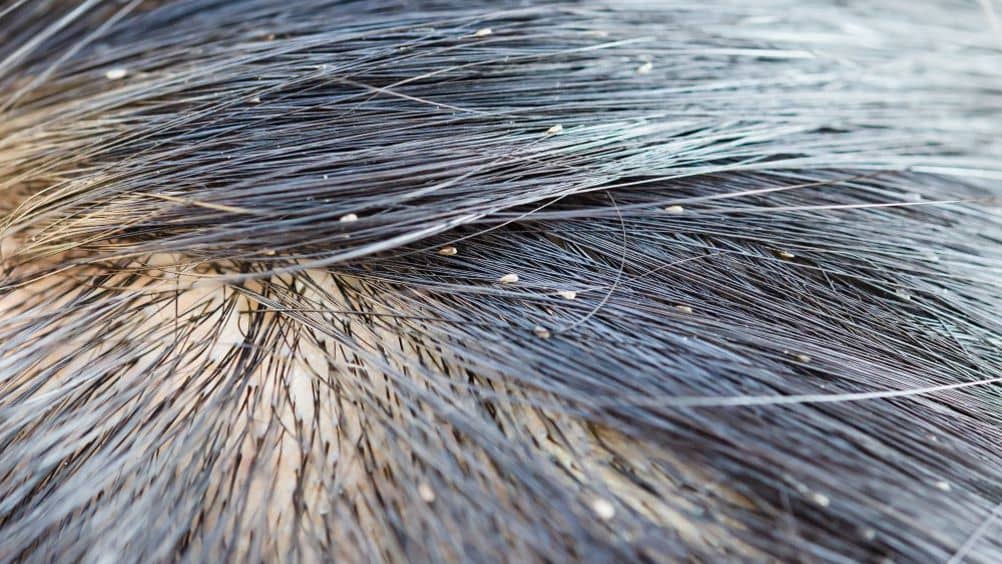
Nits attached to individual hair shafts near the scalp
Nits and attached ovals

Nits and attached ovals

Nits are typically oval and fixed to one side of the hair shaft. Unlike loose flakes, they are hard to flick away. Repeatedly seeing attached ovals near the scalp in several sections is a stronger signal than finding one isolated particle.

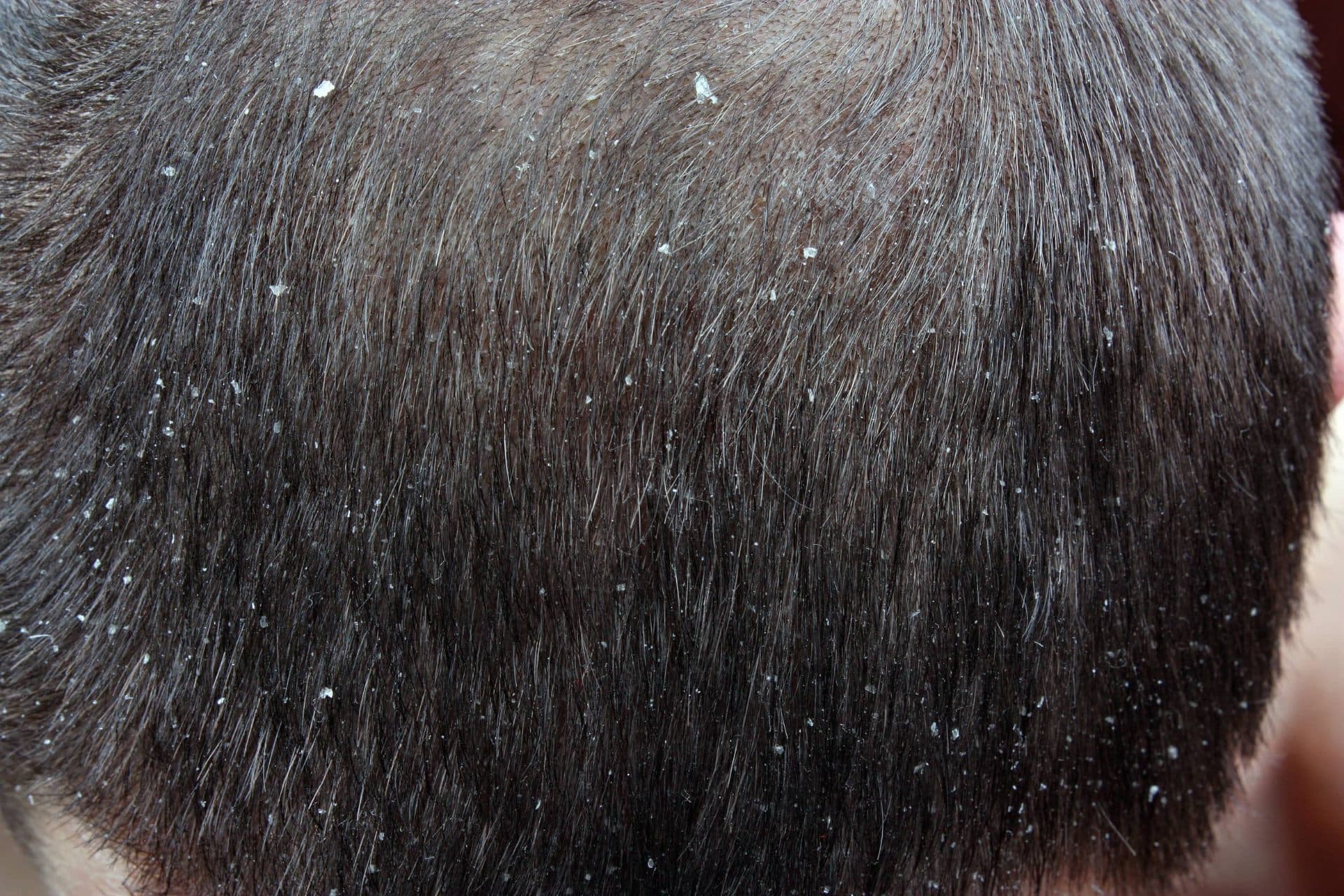
Dandruff flakes across the scalp for comparison
Dandruff, dry scalp, and irritation

Dandruff, dry scalp, and irritation

Dandruff flakes are usually irregular and mobile. They can look similar to nits at a glance, especially in rushed evening checks. If particles slide away easily, the finding is often less consistent with active nit attachment. Itching, redness, and restlessness can support concern but are not definitive by themselves. Symptoms should be interpreted together with visual evidence, exposure context, and whether findings repeat over time.

How this head lice checker helps you decide quickly

Most families do not need a long technical explanation in minute one. They need a clear process that lowers panic and helps them avoid guesswork. This page is designed around that reality: check for likely indicators, understand confidence boundaries, and move to the right next step without delay.

The scan is an evidence-led triage tool, not a diagnosis. It helps you prioritize action when you are trying to separate likely head lice activity from common lookalikes such as dandruff, dry scalp flakes, or product residue. By keeping language practical and non-alarmist, the checker supports calm decisions even when symptoms appear suddenly before school or work.

Practical boundaries that protect decision quality

  • This tool provides an indicative AI screening result only and is not a medical diagnosis.
  • Uploaded images are processed in-memory for the request and not stored by this app.
  • Strong image quality increases confidence and reduces re-check noise.
  • Escalation support is available through the clinic finder when risk is elevated.

AI check comparisons in real-world use

Use this as a practical decision guide when choosing between at-home checks and immediate escalation.

AI check vs manual combing

  • AI check gives a fast first signal from one clear photo.
  • Manual combing remains useful for repeat confirmation across days.
  • Best approach: use both when symptoms persist or findings are mixed.

AI check vs immediate clinic visit

  • AI check helps triage quickly before booking.
  • Clinic confirmation is the right step for repeated or high-risk signs.
  • Low-confidence scans should be rescanned before escalation where practical.

Built for real family and school scenarios

Head lice concerns do not show up in ideal conditions. They show up during busy evenings, before school drop-off, and across mixed households with different routines. The product and content are designed for those real moments.

Parents and caregivers

Fast triage when stress is high

Parents often need a same-day decision on whether to monitor, recheck, or escalate. The checker gives a clear first signal and practical language you can share with partners or co-parents so everyone follows the same next step.

  • Clear first-step head lice check at home
  • Calm wording that avoids panic escalation
  • Direct clinic pathway when follow-up is needed

Schools and childcare teams

Consistent communication during outbreaks

School and childcare teams need repeatable guidance that supports families without making diagnostic claims. Head Lice Checker provides practical education pages and scan-first triage language that can reduce mixed messaging during high-contact periods.

  • Parent-first, non-diagnostic guidance
  • Useful for exposure notice follow-up workflows
  • Supports faster escalation when symptoms persist

Adults and shared households

Practical checks beyond childcare contexts

Adults can also need fast direction, especially in shared homes or close-contact settings. The same structured process applies: identify likely signs, avoid over-treatment from uncertain checks, and seek professional confirmation when repeat indicators appear.

  • Evidence-led nits and head lice checking
  • Designed for both individual and household use
  • Supports clear follow-up decisions with less guesswork

Clinic follow-up planning

Prepare better for professional confirmation

When signals repeat, organized follow-up helps clinics confirm risk faster and reduce duplicate checks. Capture what you saw, when symptoms started, and what changed between scans so the next conversation is focused and practical.

  • Bring a short timeline of symptoms and re-checks
  • Share clear photos that show where findings appeared
  • Use the clinic finder quickly when concern remains elevated

Why families trust Head Lice Checker

Trust comes from clarity, boundaries, and consistency. We keep outputs non-diagnostic, show practical next actions, and maintain transparent documentation for methodology, clinical safety, and editorial standards.

Last reviewed Feb 18, 2026

Indicative screening guidance only. Professional confirmation is recommended when risk appears elevated.

How detections and confidence tiers are produced

See how image evidence is processed, normalized, and translated into parent-facing guidance without overconfident medical claims.

Methodology

Safety boundaries and escalation triggers

Review known limitations, uncertainty factors, and when we recommend moving from home checks to professional support.

Clinical Safety

How content quality and updates are governed

Understand how we maintain clear language, consistent disclaimers, and practical guidance as pages and workflows evolve.

Editorial Policy

Who we build for and how we improve

Learn how families, schools, and clinic pathways shaped this product and why we prioritize useful guidance over hype.

About

Latest practical guides

Read focused guidance on first signs, treatment pathways, and common misreads, then return to the scan when you are ready to take action.

View all guides
Head Lice Treatment for Adults: Structured Home and Professional Pathways

Updated Feb 24, 2026

Head Lice Treatment for Adults: Structured Home and Professional Pathways

Updated adult guidance covering home checks, treatment options, and clinic escalation criteria.

Published Feb 24, 202610 min read

Read this practical guide
What Are the First Signs of Head Lice?

Updated Feb 24, 2026

What Are the First Signs of Head Lice?

Early signs guide moved into symptoms architecture with updated escalation framing.

Published Feb 24, 202610 min read

Read this practical guide
Best Over-the-Counter Head Lice Treatment for Sensitive Skin

Updated Feb 24, 2026

Best Over-the-Counter Head Lice Treatment for Sensitive Skin

Migrated OTC treatment guide aligned with professional pathway and escalation boundaries.

Published Feb 24, 202610 min read

Read this practical guide

Expanded FAQ

These quick answers cover high-intent questions families ask before they decide whether to monitor, rescan, or book professional confirmation.

See all

This tool provides an indicative AI screening result only and is not a medical diagnosis.

Need quick expert support after your check?

Use the clinic finder to compare nearby options and submit a structured enquiry in under a minute.